

What Is the Best Fiber for Seniors? A Simple Guide to Healthy Aging

What is the best fiber for seniors? As we age, our nutritional needs evolve—and few nutrients are as essential for seniors as fiber. From supporting healthy digestion to protecting heart health, maintaining stable blood sugar, and supporting weight management, fiber plays a vital role in how vibrant and energized we feel every day.
Yet many seniors don’t get enough fiber in their daily diets. Changes in metabolism and digestion that come with age make it even more important to prioritize this essential nutrient. The good news? Getting enough fiber doesn’t have to feel complicated or restrictive. At Blakehurst, our dining program makes nutritious choices simple and enjoyable, with chef-prepared meals that naturally support digestive health and vitality through fresh, seasonal ingredients and thoughtfully balanced menus.
Why Is Fiber Important for Seniors?
Understanding why fiber is important starts with recognizing all the ways it supports your body. Fiber promotes healthy digestion and regular bowel movements—especially important as digestive systems naturally slow down with age. It supports gut health by feeding beneficial bacteria, and plays a crucial role in heart health by helping to lower cholesterol levels. Fiber also helps regulate blood sugar, supports healthy weight management, and contributes to sustained energy throughout the day.
The connection between fiber and healthy aging is clear: Seniors who maintain adequate fiber intake often experience better overall health, improved vitality, and greater quality of life. At Blakehurst, our culinary team understands that meeting fiber goals shouldn’t mean sacrificing flavor or enjoyment. In our beautifully renovated dining venues—from the elegant Chesapeake Dining Room to the relaxed Terrace Bistro—balanced, flavorful meals make getting the fiber you need a natural part of each delicious dining experience.
Daily Fiber Requirements for Seniors
So how much fiber do seniors actually need? The daily fiber requirements for seniors are approximately 21 grams for women over 50 and 30 grams for men over 50. While this might sound like a lot, reaching these goals is more manageable than you might think when fiber-rich foods are incorporated throughout the day.
Practical tips for reaching your fiber goals include starting the day with whole grains, including vegetables at lunch and dinner, choosing fruit for snacks or dessert, and adding beans or lentils to soups and salads. The key is consistency rather than perfection—small changes add up over time.
At Blakehurst, our dining approach naturally provides fiber-rich options in a delicious, approachable way. Executive Chef Sung Pak and Food & Beverage Director Steve Newcombe design menus that incorporate whole grains, fresh vegetables, fruits, and legumes without making nutrition feel clinical.

Soluble vs. Insoluble Fiber: What Seniors Need to Know
Not all fiber is created equal, and understanding the difference can help you make informed choices. Fiber comes in two main types: soluble and insoluble.
Soluble fiber dissolves in water to form a gel-like substance in your digestive system. Found in foods like oats, beans, lentils, apples, and citrus fruits, soluble fiber helps lower cholesterol, regulate blood sugar, and support heart health.
Insoluble fiber doesn’t dissolve in water and adds bulk to stool, helping food move through your digestive system. You’ll find it in whole grains, nuts, many vegetables, and the skins of fruits. This type of fiber promotes regularity and supports overall digestive health.
Your body benefits from both types, which is why variety matters.
High-Fiber Foods Seniors Can Enjoy Every Day
Wondering what are the best high-fiber foods for seniors? Try these delicious options:
- Beans and lentils (15–16 grams per cup): Black beans, chickpeas, lentils, and kidney beans are fiber powerhouses
- Whole grains (3–8 grams per serving): Oatmeal, brown rice, quinoa, whole wheat bread, and whole grain pasta
- Fruits (3–8 grams per serving): Raspberries, pears, apples, oranges, and bananas
- Vegetables (2–5 grams per serving): Broccoli, Brussels sprouts, carrots, sweet potatoes, and leafy greens
- Avocado (10 grams per avocado): Almonds, chia seeds, flaxseeds, and walnuts
Simple tips for adding these foods to daily meals include choosing whole grain bread and cereals, keeping fresh fruit visible and accessible, adding beans to soups and salads, snacking on nuts, and filling half your plate with vegetables at meals.
Our culinary team crafts meals to be both nourishing and genuinely appealing. We serve fiber-rich foods in ways seniors actually enjoy eating—think perfectly roasted vegetables, hearty bean-based soups, fresh seasonal fruits, and whole grains prepared with the same care and attention you’d expect from a fine restaurant.
Best Fiber Supplements for Seniors
While whole foods should always be the first choice, some seniors wonder about the best fiber supplements for seniors when dietary intake falls short. Supplements may be helpful if you have difficulty chewing, limited appetite, specific digestive conditions, or dietary restrictions that make meeting fiber goals challenging.
Common types of fiber supplements include:
- Psyllium husk: A soluble fiber that supports regularity and heart health
- Methylcellulose: A gentle option that adds bulk without gas
- Inulin: A prebiotic fiber that feeds beneficial gut bacteria
- Wheat dextrin: Dissolves completely and is easy to add to foods
It’s essential to consult with your healthcare provider before starting any fiber supplement. They can help you choose the right type and dosage for your individual needs and ensure it won’t interact with medications.
Blakehurst’s philosophy prioritizes whole-food sources of fiber first. With thoughtfully planned menus featuring fresh, seasonal ingredients and a variety of naturally fiber-rich options available across all our dining venues, most residents find they can meet their nutritional needs through enjoyable meals alone—reducing or eliminating the need for supplements altogether.
Pairing Fiber with a Healthy Lifestyle
Fiber works best as part of a well-balanced approach to healthy aging. Staying properly hydrated is essential—fiber needs adequate water to do its job effectively. Regular exercise supports digestion and overall health, making fiber even more effective. And, of course, a balanced diet that includes protein, healthy fats, and a variety of nutrients ensures your body has everything it needs to thrive.
At Blakehurst, we offer a holistic approach to wellness that goes far beyond the dining table. Our comprehensive wellness programs complement our exceptional nutrition with fitness classes designed for active seniors, beautiful grounds perfect for daily walks, and engaging social activities that keep residents connected and energized. Whether you’re taking a fitness class, strolling through our campus, or gathering with friends at The Ridge Pub, you’ll find countless opportunities to support your health while enjoying life to the fullest.
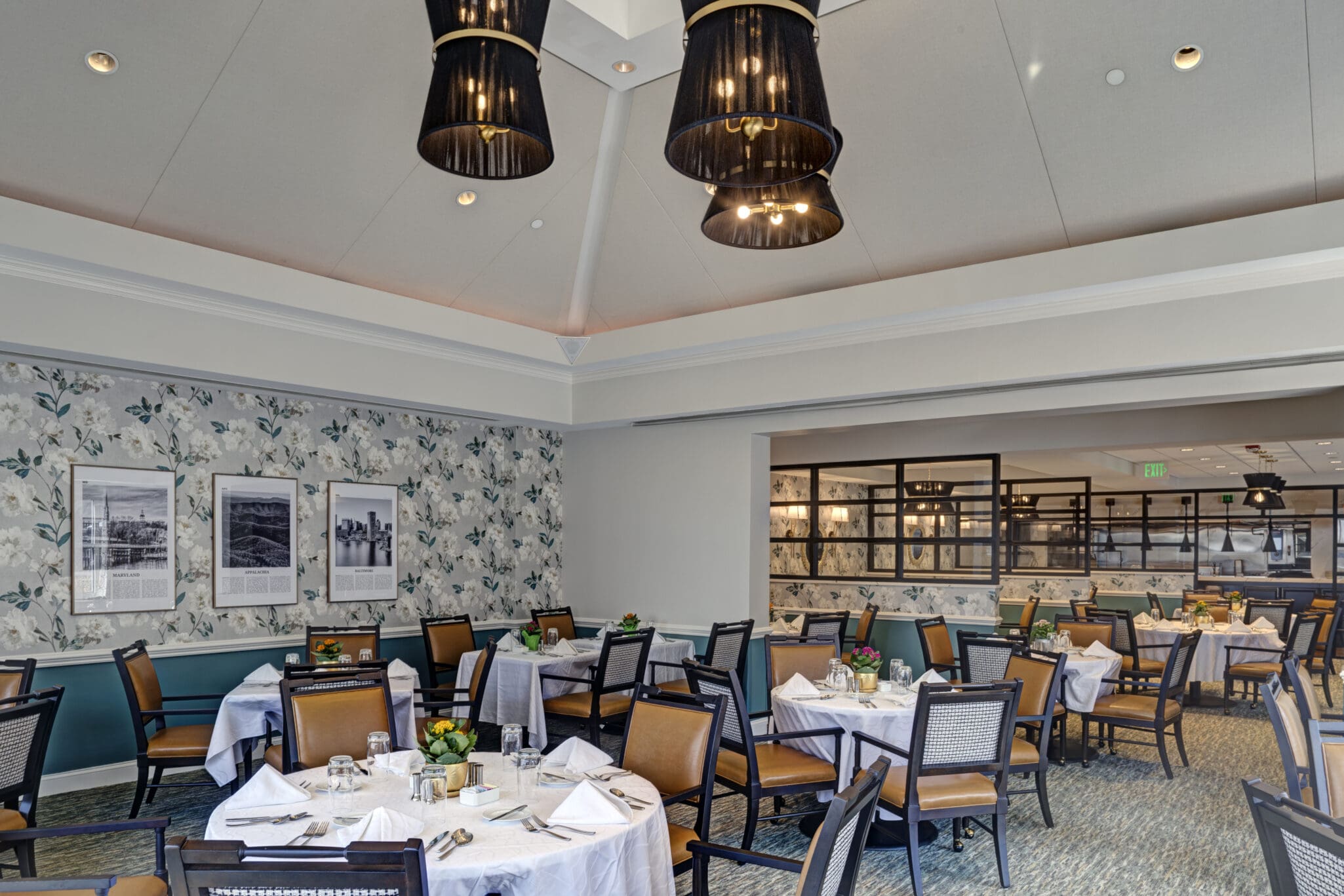
The result is vibrant, engaged living, where nutritious, delicious meals naturally support your well-being. It’s not about restriction or complicated meal planning—it’s about enjoying fresh, beautifully prepared food in the company of friends and neighbors, all while knowing that every bite supports your health and vitality.
Live Naturally Healthy at Blakehurst
Discover how vibrant, healthy living comes naturally at Blakehurst. From chef-prepared dining to engaging wellness programs and a welcoming community, Blakehurst offers everything you need to thrive at every stage of retirement. Contact us to schedule your visit today.